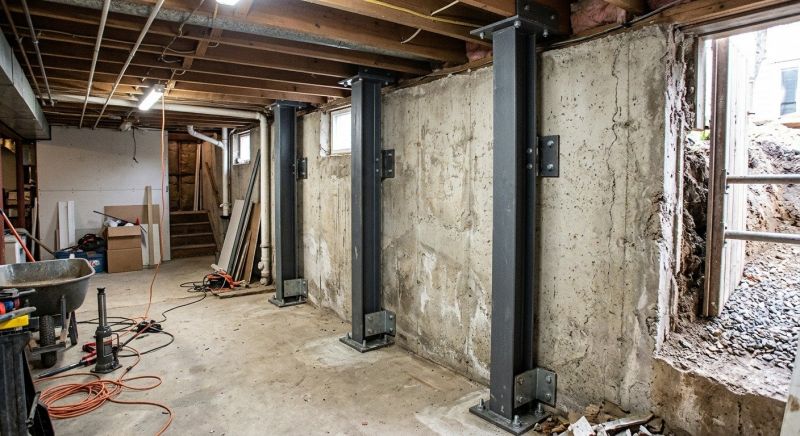
Basement Stabilization in Fort Collins, CO
Basement stabilization services are designed to address issues related to shifting, settling, or uneven foundations within a home’s basement. These services typically involve methods such as underpinning, piering, or installing braces to reinforce the existing structure and prevent further movement. Homeowners often seek basement stabilization when experiencing problems like cracks in walls, uneven flooring, or water intrusion caused by shifting soil or inadequate support beneath the foundation. Understanding the specific causes of foundation movement and the scope of the project can help property owners determine the most appropriate stabilization approach for their home.
Before requesting basement stabilization, property owners should consider the extent of the foundation issues, including any visible signs of damage or structural concerns. It is also useful to understand the underlying soil conditions, potential causes of settlement, and the long-term goals for the space. Clear communication about these factors can assist in selecting the right stabilization solution to improve safety, structural integrity, and the overall stability of the home. Proper assessment and planning are essential steps in ensuring a successful stabilization project.
Many property owners in Fort Collins, CO look into Basement Stabilization for repairs, replacements, upgrades, and appearance-related improvements.
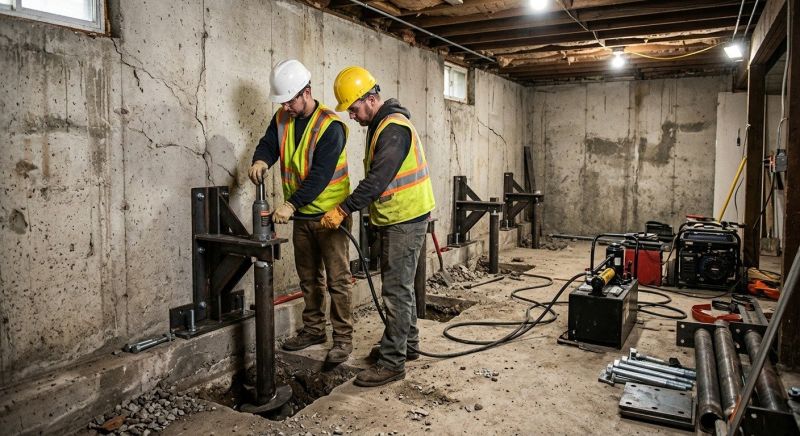
Signs Of Foundation Movement
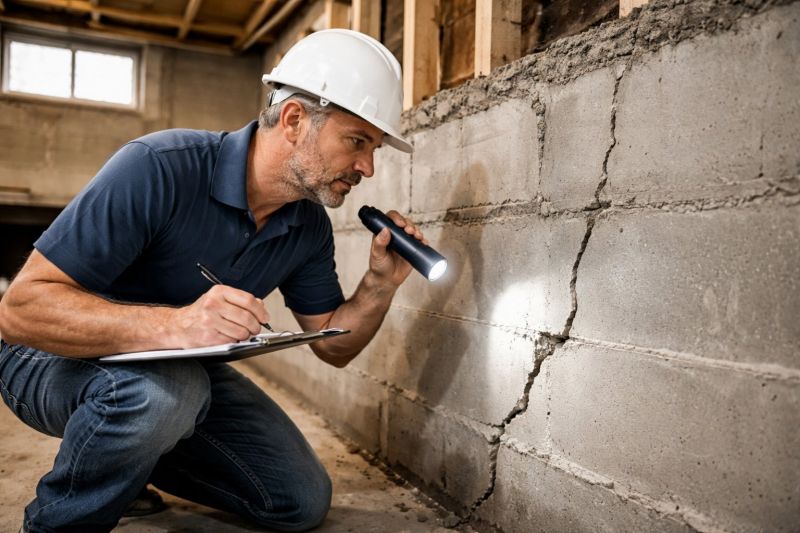
Cracks in walls or floors and uneven surfaces may indicate the need for basement stabilization.
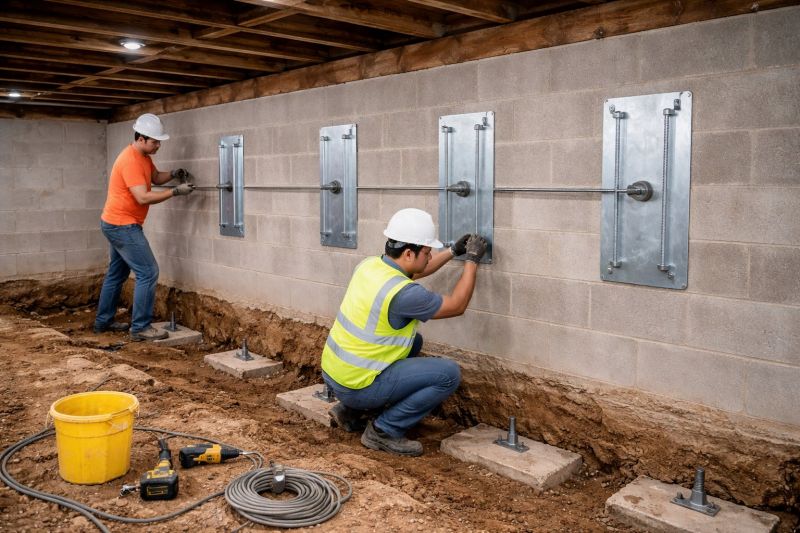
Methods Of Stabilization
Techniques like underpinning and wall anchors help reinforce and stabilize settling basements.
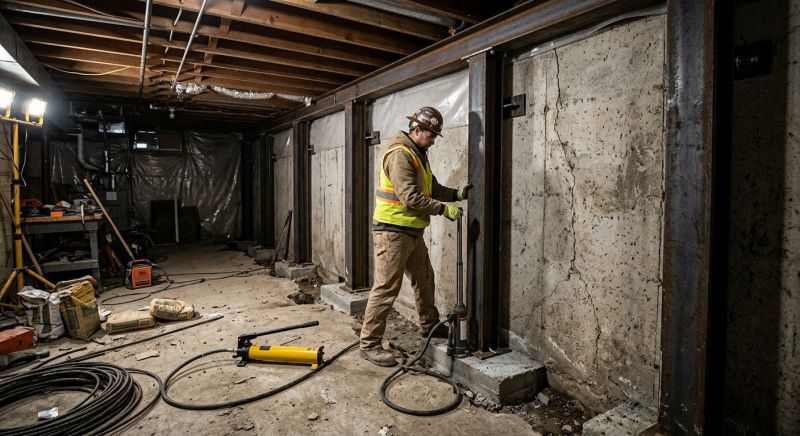
Benefits Of Stabilization
Proper basement stabilization can prevent further damage and maintain the structural integrity of the home.
Basement Stabilization in Fort Collins, CO
Basement stabilization services are designed to address issues related to shifting, settling, or uneven foundations within a home’s basement. These services typically involve methods such as underpinning, piering, or installing braces to reinforce the existing structure and prevent further movement. Homeowners often seek basement stabilization when experiencing problems like cracks in walls, uneven flooring, or water intrusion caused by shifting soil or inadequate support beneath the foundation. Understanding the specific causes of foundation movement and the scope of the project can help property owners determine the most appropriate stabilization approach for their home.
Before requesting basement stabilization, property owners should consider the extent of the foundation issues, including any visible signs of damage or structural concerns. It is also useful to understand the underlying soil conditions, potential causes of settlement, and the long-term goals for the space. Clear communication about these factors can assist in selecting the right stabilization solution to improve safety, structural integrity, and the overall stability of the home. Proper assessment and planning are essential steps in ensuring a successful stabilization project.
Many property owners in Fort Collins, CO look into Basement Stabilization for repairs, replacements, upgrades, and appearance-related improvements.
Common Basement Stabilization Jobs
Basement stabilization involves reinforcing the foundation to prevent shifting and settling.
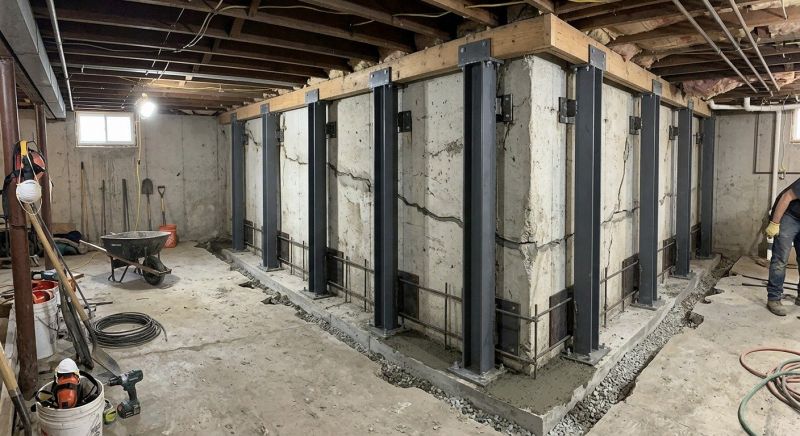
Wall underpinning helps restore stability to bowed or cracked basement walls.
Piering systems lift and support uneven or sagging basement floors.
Soil stabilization improves soil conditions around the foundation to reduce movement.
Drainage solutions are implemented to manage water and reduce hydrostatic pressure.
Crack repair addresses structural cracks to maintain basement integrity.
Basement Stabilization Questions
What causes basement instability? Common causes include soil shifting, poor drainage, or foundation settling, which can lead to uneven floors and cracks.
How can basement stabilization improve a property? Stabilization helps prevent further shifting, reduces cracks, and creates a safer, more level space for use or renovation.
What signs indicate the need for basement stabilization? Signs include visible cracks in walls or floors, uneven flooring, or doors and windows that no longer close properly.
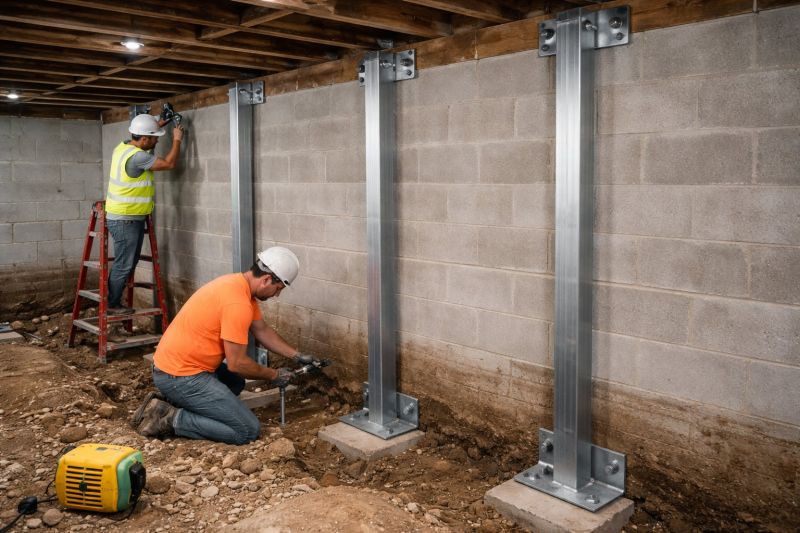
What types of stabilization methods are used? Techniques include underpinning, wall braces, and soil stabilization to reinforce the foundation and prevent movement.
Request Basement Stabilization in Fort Collins, CO
Use the quote form on this page to share the basics of your project and request more information for the type of work you need.